Guide
Water Finance
It’s more complex than your lender thinks.
Permanent entitlements, temporary allocations, delivery risk, price risk. Most lenders treat water like property or equipment. It is neither.
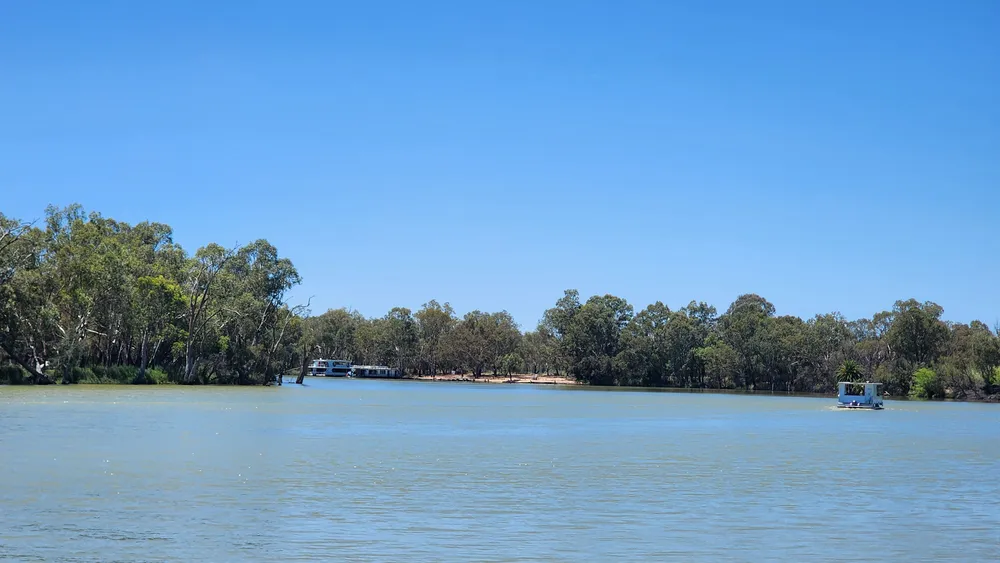
It's more complex than your lender thinks.
Permanent entitlements. Temporary allocations. Delivery risk. Price risk.
Most lenders treat water like property or equipment. It is neither.
What is Water Finance?
Understanding the most common forms of water access that shape every irrigated operation.
Delivery Risk
Why lenders hesitate, and why this Agri Broker does not.
Price Risk
How seasonal water markets affect your numbers, and your borrowing capacity.
How this affects your borrowing capacity. When a lender assesses your operation, they look at income and expenses. If your income assumes low-cost water years, but water is actually priced at drought rates, the numbers change dramatically. A lender who does not model this will either over-lend or decline unnecessarily.
This Agri Broker builds water price scenarios into your finance case. Not a single best-case number. A range that reflects how your operation actually performs across seasons. Lenders who understand this find it compelling. Those who do not are not the right fit for your deal.
Why Generalist Lenders Get Water Wrong
It is not a property. It is not equipment. And it should not be assessed like either of them.
- ✕They value it using comparable sales methods borrowed from real estate, but water entitlement markets are thinly traded and highly region-specific
- ✕They do not distinguish between high-security and low-security entitlements, treating both as equivalent assets when they are not
- ✕They ignore allocation variability entirely, assessing income at one point in time rather than across a range of seasonal outcomes
- ✕They cannot explain to their credit team what delivery risk means or why it affects repayment capacity
- ✕They apply LVR ratios designed for property to an asset class with very different risk and liquidity characteristics
How This Agri Broker Structures Water Finance
A four-step approach that gets water finance assessed on the right terms.
Water Finance is Complex. This Agri Broker Actually Understands It.
The Ultimate Guide to Water Finance
Irrigation Finance Basics
What does a bank look for in irrigation finance applications?
Lenders assess irrigation loan requirements through the lens of Water Security = Financial Security. Your application must prove that the infrastructure investment will directly lower production risk or increase yield per megalitre and/or per HA.
| Requirement | Why It Matters |
|---|---|
| Water Licence required for your State | Validates the right to apply sufficient water to the proposed infrastructure matches to the crop type. |
| Hydraulic Design | Ensures the system is professionally engineered and fit for purpose. Also helps with working out the project cost and required finance amount. |
| Yield Projections | Shows how the development or upgrade translates to increased cash flow and profitability. |
How is irrigation infrastructure costed for horticulture?
In horticulture, irrigation design is highly crop, soil and climate specific. Costs per hectare vary based on system selection, block layout, water source and the need for supplementary cooling. Accurate costings should be developed by your irrigation adviser based on your production system not generic averages.
| System Type | Role in Horticulture | Key Considerations |
|---|---|---|
| Overhead Sprinklers | Relatively lower cost to install or modify. Sometimes retained for cooling or frost protection | Lower water efficiency, higher evaporation, less uniform, but useful for canopy cooling and protection events |
| Low-Level Sprinklers | Common in orchards for soil moisture management and cooling | Good water penetration and cooling effect, moderate efficiency, often used as a hybrid support system |
| Drip Irrigation | Typically highest cost setup with additional filtration ofen required. Primary system for high-efficiency water delivery and fertigation | Most efficient system, but may require supplementary cooling (sprinklers) during extreme heat in hot regions |
What is the ROI on irrigation upgrades in horticulture?
In high-value horticulture, irrigation ROI is driven by yield uniformity and nutrient delivery efficiency. Modernising systems can reduce water waste by up to 30%, directly impacting bottom-line profitability through reduced pumping costs, cost of water and optimised fertiliser application.
Where the Returns Come From:
- Yield Gains: Consistent and accurate soil moisture prevents tree stress during critical nut/fruit set.
- Energy Savings: Variable Speed Drive (VSD) on pumps can cut power bills by 20-40%.
- Water Security: Doing more with less allocation allows for either acreage expansion or lower water expense.
Should I lease, buy, or finance irrigation equipment?
The choice between leasing/asset finance vs buying farm irrigation equipment depends entirely on your tax position and cash flow cycle. While outright buying saves interest, financing preserves cash flow needed for seasonal operating expenses and water purchases. Speak to your accounatant around tax implications too.
- Chattel Mortgage / Equipment Loan (same thing): Finance method where you buy the asset and the equipment itself is used as the security for the loan. Keeping the land/property security available to secure the long term debt.
- Finance Lease: Can provide lower monthly payments with residuals at the end. Keeps the equipment "off-balance sheet" in some cases. Repayments can be more agressive or structured 'in advance' which can assist with tax planning. Speak to your accountant for specific advice.
Water Markets & Buying Strategy
How do water prices impact farm profitability?
Water price volatility is a core driver of seasonal profitability in irrigated agriculture. Understanding your "Water Value", the point where the cost of water outweighs the return it generates, is essential for surviving peak dry periods in the Murray-Darling Basin and other irrigation schemes.
| Production System | Water Flexibility | Key Risk Dynamic |
|---|---|---|
| Annual Cropping | High | Planting decisions can be adjusted based on water availability and price signals. Critical to make the call early as once the crop is planted and half grown it can lead to more difficult decisions later on weather to persist or quit the crop. |
| Permanent Horticulture | Low | Trees/vines require ongoing water decisions shift from profit optimisation to asset protection factoring in long term sustainability. |
| Dairy / Pasture | Moderate | Trade-off between irrigating pasture vs. purchasing feed externally. |
Should I buy permanent water or rely on allocation?
The debate between buying water entitlements vs reliance on allocation hinges on your debt capacity and crop life. Permanent plantings (trees/vines) generally require a core holding of permanent water to mitigate the risk of total crop loss during drought.
- Permanent Entitlement: An asset on the balance sheet that can be borrowed against. Provides long-term security but requires significant upfront capital.
- Temporary Allocation: Purchased as needed. Needs to be carefully managed and have a water strategy in place.
How do I hedge against rising water prices?
To hedge water price risk in agriculture, savvy growers use a "portfolio approach." Relying 100% on the temporary spot market is high-risk; instead, utilise financial instruments, storage where possible, and strategies to lock in costs before the season peaks. Talk to your Water Broker to assist with your water plan and water budget.
Top Hedging Strategies:
- Forward Allocation Contracts: Lock in a price today for delivery later in the season or future years. Guaranteed delivery regardless of allocations.
- Water Leases: Pay a fixed annual fee to a licence holder for the right to their allocation for 3-5 years. Does not guarantee delivery, and is subject to allocations.
- Carry-over Room: Utilising unused capacity to 'store water' from one water season to the next.
What is a water allocation strategy for drought years?
A drought water strategy is a defensive financial plan. It requires a clear understanding of your minimum water requirement to keep permanent plantings alive versus the requirement to produce a full commercial crop.
| Strategy Phase | Action Plan |
|---|---|
| Prevention | Secure forward contracts and maximise carry-over. |
| Mitigation | Shift to deficit irrigation; sacrifice low-performing blocks. |
| Recovery | Utilise water-backed finance to restock or replant once prices normalise. |
How should I approach water security?
Water security in horticulture is not about owning a fixed percentage of entitlement. It’s about structuring a reliable supply mix that protects your trees in dry years while remaining capital-efficient.
Practical Water Strategy:
- Base Entitlement: If you have sufficient capital hold a level of permanent water that provides a minimum reliable supply in low allocation years.
- Allocation & Carryover: Use seasonal allocation and carryover to smooth variability between years.
- Temporary Market: Actively participate in the allocation market to top up in dry periods or reduce use when pricing is uneconomic.
- Operational Flexibility: Adjust irrigation strategy (deficit irrigation, block prioritisation, cooling vs production) based on seasonal conditions.
System Selection & Upgrades
What is the most cost-effective irrigation system?
Finding the best irrigation system for cost-effectiveness requires looking beyond the sticker price. In Australia, "cost-effective" means minimising the cost per unit of yield, which often favors high-precision drip systems in horticulture or optimised pivots in broadacre.
| System | CAPEX | Water Efficiency | Best Application |
|---|---|---|---|
| Drip | High | 90-95% | Orchards, Vineyards, Vegetables. |
| Low-Pressure Pivot | Medium | 80-85% | Cereal crops, Fodder. |
| Overhead Sprinkler | Low-Medium | 70-80% | Pasture, Nurseries. |
How do I finance a drip vs sprinkler conversion?
An irrigation system upgrade is often a high cost investment. We specialise in structuring finance that separates the depreciable hardware (pumps, dripline, fertigation) from the permanent infrastructure (concrete, shedding, mainlines) to maximise tax benefits and cash flow.
Finance Structuring Options:
- Equipment Finance: For the physical drip line, filters, and pump sets. Usually 3-7 year terms.
- Green Loans: Some lenders offer discounted rates for upgrades that improve water or energy consumption.
- Seasonal Repayment Scenarios: Aligning your loan repayments with your harvest cash flow to ensure liquidity.
How much efficiency improvement is needed to justify upgrade?
The "tipping point" for irrigation efficiency savings ROI usually occurs when the cost of water saved per year exceeds the interest and principal on the loan. In high-value horticulture, even a 10% efficiency gain can translate into large annual savings.
The Calculation Checklist:
- Water Saved: ML saved per year x average market price per ML.
- Energy Reduction: Savings from lower pumping pressure and variabe speed drives.
- Fertiliser Efficiency: Reductions in leaching through targeted fertigation.
- Yield Lift: Increased income from better crop uniformity, larger sizing and better quality.
Best irrigation upgrades with fastest payback?
Not all irrigation upgrades require millions in capital. Strategic bolt-on technologies offer the highest ROI because they optimise existing assets without the need for massive outlay.
| Upgrade | Estimated Payback | Primary Benefit |
|---|---|---|
| Variable Speed Drives | <2 Years | Energy cost reduction. |
| Soil Moisture Probes | 1 Year | Prevents over-watering. |
| Automated Valves | 2 - 3 Years | Labour savings & precision. |
| Remote Telemetry | 1 - 2 Years | Risk management & travel time. |
Loan Structuring & Repayments
How do I structure irrigation finance to protect cash flow?
A well-engineered irrigation loan structure prevents infrastructure upgrades from draining your working capital. The goal is to ensure that repayments only escalate once the new system begins generating water-saving dividends or increased yields.
- Seasonal Alignment: Scheduling major principal repayments to coincide with harvest income months.
- Capitalised Interest: Rolling interest costs into the loan during the construction phase to preserve cash.
- Step-Up Repayments: Starting with lower payments that increase as the orchard or crop reaches full production maturity.
Can I capitalise water infrastructure into long-term debt?
You can capitalise farm infrastructure loans into your primary land facility. If the infrastucture is fixed to the land, this will also be captured when valuations get updated next giving additional equity and future borrowing power.
Eligibility for Long-Term Capitalisation:
- Fixed Works: Concrete, large-scale earthworks, mains, drainage.
- Valuation Lift: The lender must see an 'on-completion' valuation that reflects the improved production capacity.
- Equity Position: Typically requires a strong starting LVR (Loan to Value Ratio) and total equity maintained above 55%.
What repayment structure suits irrigation best?
There is no one-size-fits-all farm loan repayment option in Australia. For established operations, Principal & Interest (P&I) is the standard, but for growth phases, Interest Only may be more appropriate.
- Interest Only (IO): Best for the first 3-5 years of a new irrigation development or orchard establishment.
- Principal & Interest (P&I): Best for mature operations where the debt-servicing capacity is stable and building equity is the priority.
- Flexible Offset: Using an offset account for seasonal windfalls to reduce interest costs without losing access to the capital.
Technology & Automation
Is irrigation automation worth the investment?
Modern irrigation automation ROI is driven by more than just convenience. In the current Australian labour market, the ability to manage irrigation from a smartphone doesn't just save time, it ensures that water is applied exactly when the crop needs it, regardless of staff availability.
Automation Value Drivers:
- Labour Savings: Reduces man-hours required for valve shifting and system monitoring.
- Precision Timing: Enables easy night watering to maximise pressure, minimise evaporation and take advantage of off-peak power all without needing overtime cost of Labours.
- Risk Mitigation: Instant alerts for pressure changes due to pipe bursts or pump failures prevent crop stress and water loss.
How do I finance soil moisture monitoring?
Investing in soil moisture monitoring is an easy step toward Precision Ag. These systems are often the most affordable entry point into irrigation technology, providing immediate data to optimise your irrigation and seasonal water needs.
| Finance Option | Best For | Typical Term |
|---|---|---|
| Standalone Asset Finance | High-end probe networks with telemetry. | 3 - 5 Years |
| Bundled Tech Loan | Combining probes with automation hardware. May also include fertigation programming and telemetry. | 5 Years |
What is the ROI on smart irrigation technology?
In the Murray Darling Basin, smart irrigation ROI is often synonymous with "megalitre productivity." By integrating weather station data with automated scheduling, growers can achieve the same yields with lower water inputs.
Quantifiable ROI Factors:
- Pumping Costs: Reducing runtime through smart scheduling directly cuts Diesel/Electricity bills.
- Fertigation Precision: Applying nutrients through the water only when the plant can absorb them reduces waste.
- Yield Consistency: Eliminating "wet and dry" cycles leads to higher grade fruit/nuts across the whole block.
Can technology reduce water costs enough?
While technology can't control the market price of water, reducing irrigation water costs via technology is about maximising "Water Use Efficiency" (WUE). If you can produce 10% more yield with 10% less water, you effectively lower your cost of production per unit.
Top 3 Tech Solutions for Cost Reduction:
- Satellite Imagery (NDVI): Identifying over-watered or leaky zones as well as dry spots.
- Variable Rate Irrigation (VRI): Tailoring water to soil variations so you don't waste water on heavy clay patches.
- Pressure Management: Ensuring drippers operate at peak efficiency to ensure unifomity and reduce pipe stress.
Risk & Timing
Biggest financial risks in irrigation projects?
Successful irrigation project risk management involves accounting for factors beyond your control. In Horticulture the primary risk is "Stranded Asset Risk." Investing heavily in infrastructure that you cannot afford to run when water prices spike or allocations drop.
Primary Risk Factors:
- Construction Overruns: Unexpected soil conditions or grid-connection delays inflating CAPEX.
- Water Availability: Multi-year droughts reducing the ability to service debt through production.
- Energy Price Spikes: High-pressure systems becoming unviable due to electricity or diesel price shifts.
How do I avoid overcapitalising irrigation?
To avoid overcapitalisation in farming irrigation, every dollar spent must be tied to a specific yield increase or cost reduction. A high tech system on marginal land is a common mistake that destroys equity rather than building it. Ensure the basics are right first. If the soil can't grow certain crops to begin with, technology wont change that.
| Action | Prevention Strategy |
|---|---|
| Benchmark | Compare your cost per hectare against industry standards for your region. |
| Staged Growth | Build the backbone (mainlines) now, but add zones/tech as cash flow allows. |
| ROI Focus | Only invest in 'high-tech' features if the water/labour savings are quantifiable. |
When should I delay irrigation investment?
Knowing when to invest in irrigation farming is about timing the intersection of your balance sheet health and the external environment. Investing during a severe drought can be disastrous.
Signs You Should Delay:
- Low equity: Your equity buffer is too low to absorb a construction delay or a dry season.
- Negative Water Outlook: Allocations are trending down and temporary prices are above your break-even.
- High Short-Term Interest: If the cost of debt exceeds the projected annual yield increase.
How do lenders assess irrigation risk?
Understanding lender risk assessment for agriculture loans is the key to securing competitive rates. Banks don't just look at your land value, they stress-test your business plan and cash flow against "Worst Case" water prices, interest rate hikes and low commodity prices.
| Risk Category | What the Bank Checks |
|---|---|
| Security Risk | Reliability of water entitlements and land equity (LVR). |
| Serviceability | Historical and projected net profit margins per megalitre, per HA. |
| Operational Risk | Your track record in managing similar infrastructure or crops successfully. |
Agri Broker.com.au – A service of Hardie Finance Group • FarmLending.com.au
© 2026 Hardie Finance Group Pty Ltd. All rights reserved. | Legal
Talk it through with a specialist.
Complimentary initial conversation. Most questions answered in one call.
Explore more: Home · FAQ · Farm Development Finance